Offshore, communication covers several different jobs. They only feel like one system when they’ve been planned that way.
On a normal day, a phone call between two locations covers most of what anyone needs. But a comms system has to do far more than that, and the parts that matter most are the ones you hope never to use.
Broadly, it comes down to three layers.
The everyday
Routine communication between people and areas:
- Point-to-point telephones between locations
- Hands-free intercom where someone cannot stop to pick up a handset
- Paging to call a person or team to a point
Even this layer has to be built for the conditions: sealed against water and salt, rated for hazardous areas, and loud enough to be heard over machinery.
The broadcast
When one voice needs to reach everyone, you move to PA and general alarm:
- Loudspeakers that carry a clear signal across open deck and into high-noise areas
- A general alarm that turns a message into a recognised signal to act on
The critical layer
At the top sits mass notification: a clear, controlled instruction to everyone at once, with the certainty it has been heard. This is the layer that earns its keep on the worst day rather than the average one.
Why it pays to plan it as one system
A large part of what makes a system hang together is specifying it from one place, designed to work as one. That is why GAI-TRONICS sits at the centre of the comms systems we supply. Their range runs the full width of the picture above, so the everyday kit and the emergency kit are built to the same standard and specified to work together from the start.
Across the range, that covers:
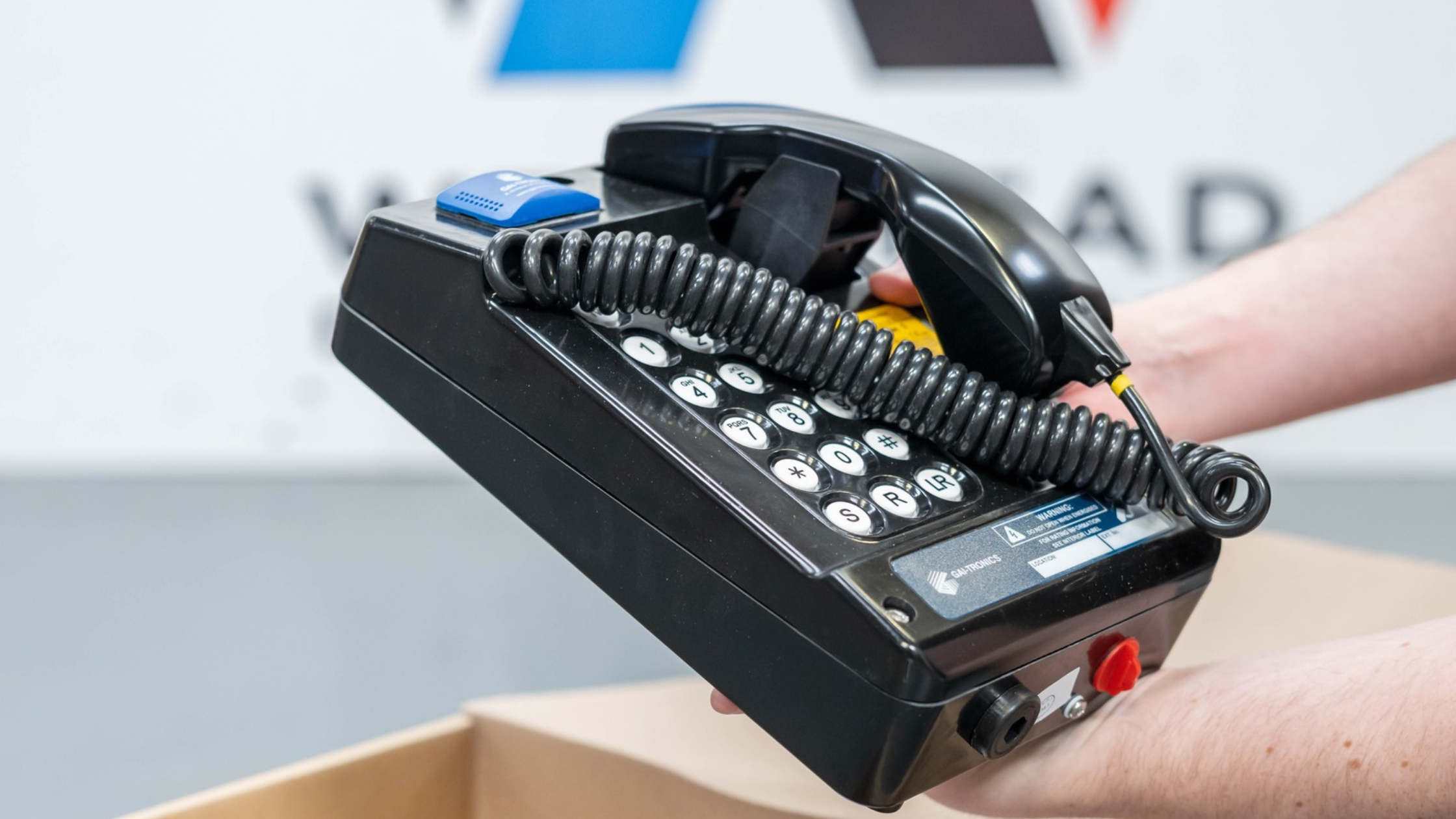
- Telephones and intercom: point-to-point and hands-free communication built for hazardous areas
- Paging and intercom: reaching a person, an area or the whole installation with a clear signal
- Speakers and horns for hazardous areas: carrying that signal through high-noise and open-deck areas
- EX beacons: visual signalling where sound alone isn’t enough
All of it is built for the conditions offshore work demands: rated for ATEX and IECEx areas, sealed against water and salt, and loud and clear enough to cut through high noise. Specified together, the parts are designed to work as one system rather than a collection of devices that happen to share a wall.
If you are planning a new system, or wondering whether the one you have still does everything it should, that is a conversation worth having early. Get in touch and we will talk it through.