Decommissioning a structure doesn’t mean powering it down. AtoN systems, hazardous-area lighting, and communications equipment all need to stay live – and that requires purpose-built power packages for offshore decommissioning that keep running until the very end of the removal programme.
It’s a problem we help project teams solve regularly, and the answer almost always comes down to two things: a well-specified power package and planning early.
Specifying power packages for offshore decommissioning
In a decommissioning context, a power package is a self-contained electrical system designed to keep essential equipment running during the removal process. The key word is ‘self-contained.’ These packages are typically deployed on structures that are being progressively stripped back, so they can’t depend on the platform’s existing power infrastructure.
In the later stages, there may be no one on site at all, which means the systems need to run without intervention, and when someone does visit, they need to be simple enough to check and maintain without specialist electrical knowledge.
Why simplicity matters in decommissioning
Decommissioning projects run under pressure. Vessels are expensive, weather windows are narrow, and schedules slip. In that environment, a complicated power setup isn’t just an inconvenience – it’s a risk.
Simple systems are easier to install, fault-find, and hand over between contractors. They also tend to be more reliable because there’s less that can go wrong. When we’re specifying power packages for decommissioning, we aim to reduce the component count, standardise connections, and ensure everything is labelled and documented so someone picking it up cold can understand.
Reliability is non-negotiable
For as long as an offshore structure remains in the water, its safety-critical systems must work. That includes AtoN equipment like marine lanterns, racon beacons, and foghorns – all of which are required under IALA guidelines to warn other vessels of the structure’s presence.
A power package failure mid-decommission can leave a structure temporarily unlit and unmarked. That’s a marine safety issue, and it’s the kind of thing that can trigger regulatory scrutiny and project delays.
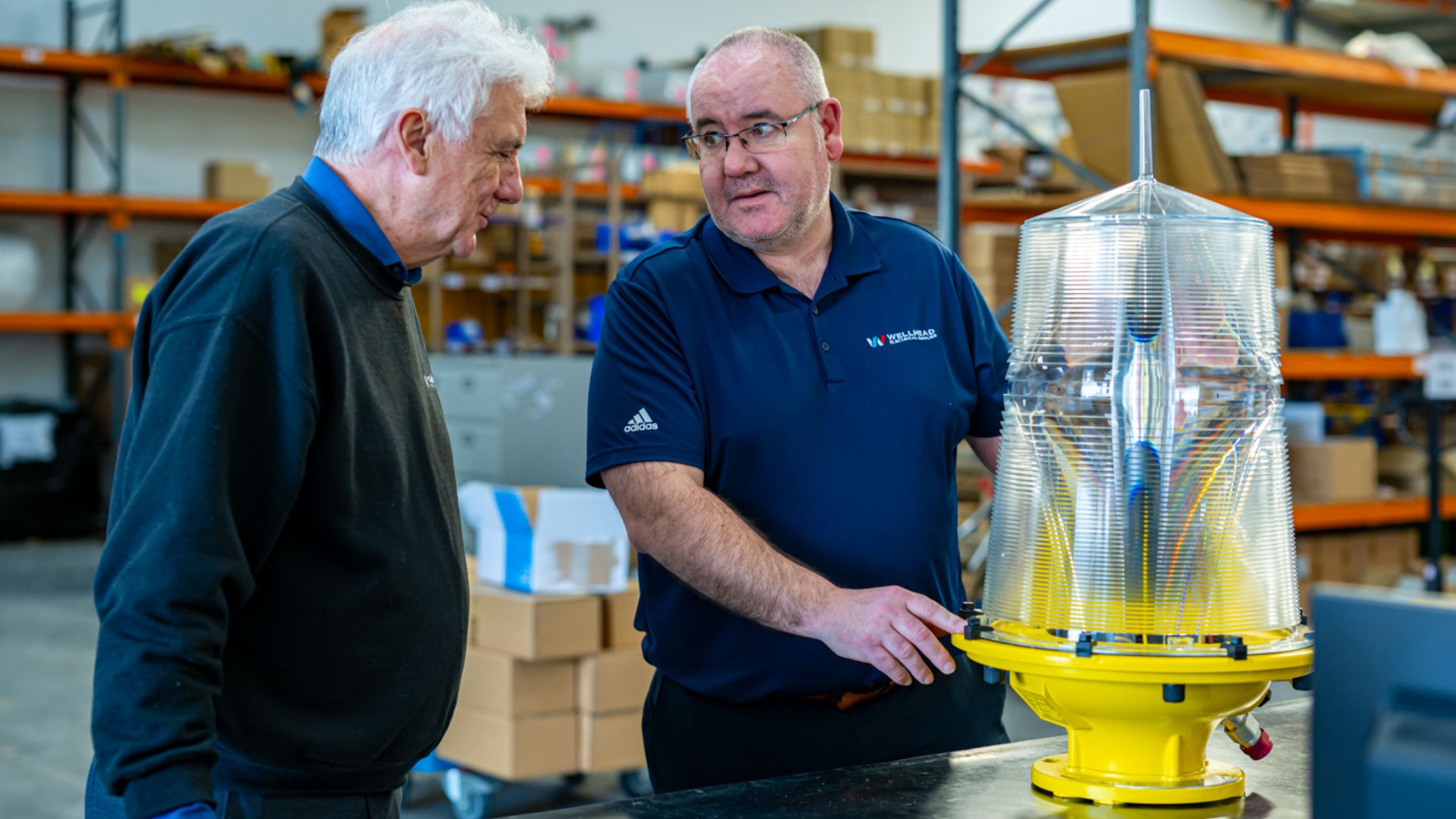
The equipment we supply for decommissioning power packages – including marine lanterns and visibility detection systems from Orga, and hazardous-area lighting from Chalmit – is rated for the offshore environment and designed to keep running through the conditions that decommissioning projects typically face: salt spray, temperature variation, and extended periods between maintenance visits.
Designing for the end of life, not the beginning
There’s a tendency to treat decommissioning as an afterthought – something to deal with once the production phase is over. But the electrical systems that support a safe removal often need to be planned well in advance, particularly if the original platform power infrastructure is being taken offline in stages.
The electrical planning for a decommissioning project typically needs to address three things:
Which systems need to stay live, and for how long?
In most cases, AtoN and communications equipment need to remain operational until the structure is fully removed. Hazardous area lighting may be required for as long as the crew are working on site.
What power source makes sense?
Depending on the structure, battery-based systems, solar-assisted packages, or direct generator supply might all be viable options. The right choice depends on the equipment’s power draw, the expected duration of the decommissioning phase, and the structure’s accessibility for maintenance.
How will the system be monitored?
Remote monitoring capability is increasingly common in AtoN and power systems, and it’s particularly valuable during decommissioning when site visits may be infrequent. Being able to check system status from shore reduces the need for costly mobilisations and helps catch issues before they become failures.
What WES brings to offshore decommissioning projects
We’re a specialist supplier focused entirely on offshore electrical and navigation equipment – we know the kit, we know the applications, and we know what decommissioning projects need from a power package.
For decommissioning, that means being able to specify and supply complete power packages – including AtoN systems, hazardous area lighting, and communication equipment – from a single source. It means working with our customers’ engineers to make sure the specification is correct before anything is ordered. And it means being available to support the project if questions come up during installation or commissioning.
If you’re planning a decommissioning programme and need to discuss power and electrical requirements, we recommend having that conversation early. The more lead time we have, the easier things will be.
Talk to WES about your decommissioning power requirements
Whether you’re in the early planning stages or already into a project, we can help you specify and supply the power packages your decommissioning programme needs. Get in touch with our team to discuss your requirements.